
The epistolary form—told through letters, documents, and correspondence—has become one of the most unsettling vehicles for psychological terror in modern crime fiction. When a thriller unfolds through fragmented voices and unreliable testimonies, the reader becomes an investigator, piecing together truth from competing narratives. The best Psychological Thriller Novels with Epistolary Format exploit this intimacy brilliantly, using the written word as a weapon of manipulation, confession, and deception. These are not gimmicky experiments; they are masterclasses in tension.
What Defines Psychological Thriller Novels with Epistolary Format
Epistolary psychological thrillers abandon linear narrative for a mosaic of letters, emails, journal entries, and confessions that force readers into active interpretation. The format demands engagement—you cannot passively consume these stories. What separates the best from the mediocre is whether the author uses this structure to deepen psychological complexity or merely as a stylistic flourish. The finest examples weaponize unreliability through the epistolary lens, making every voice suspect and every revelation potentially a calculated lie.
The Best Psychological Thriller Novels with Epistolary Format Worth Reading

DCI Isaac Cook — Phillip Strang
London homicide detective Isaac Cook investigates the darkest corners of the capital in 19 taut procedurals that dissect criminal psychology with surgical precision. Perfect for readers who crave authentic police work alongside psychological depth.

Psychological Thriller Box Set Three
McPherson is a master of manipulating reader perspective, and this curated collection demonstrates why she’s essential reading for epistolary thriller fans. The box set format allows her to layer multiple psychological narratives, each using letters and documents to construct competing versions of reality. Her prose is razor-sharp, and she understands that the most terrifying truths often arrive quietly, through the mundane language of everyday correspondence. These stories linger because they understand that intimate documents reveal character in ways dialogue never can.
Verdict: Essential reading for anyone serious about epistolary psychological thrillers.

Four Letters
Houstoun’s premise—four letters that unravel a life—sounds deceptively simple until you realize each missive rewrites everything you thought you knew. The beauty of this novel lies in its structural restraint; by limiting himself to just four pieces of correspondence, Houstoun forces maximum impact from each word. The psychological warfare here is exquisite: each letter is a calculated reveal, a confession, a accusation, a betrayal. This is epistolary fiction stripped to its essence, proving that sometimes less really is more.
Verdict: A lean, devastating read that proves the power of epistolary minimalism.

What I Did
Lyle approaches the epistolary form as confession and self-justification simultaneously, creating a narrative where the narrator’s credibility collapses with each revelation. The title itself is a promise of honesty that the novel systematically dismantles. What makes this work exceptional is how Lyle uses the written form to expose the gap between what people claim and what they actually are—the letters become mirrors held up to unbearable truths. This is psychological thriller writing at its most morally complex.
Verdict: A masterwork of unreliable narration delivered through brilliant epistolary construction.

A MAYA THORNE MYSTERY
Get Dust and Bones Free
Justice runs deeper than drought.
Red dust. Shallow graves. A detective who hunts killers where the law runs thin and the nearest help is two hundred miles away.
You will also receive occasional new release emails. Unsubscribe anytime. No spam, ever.
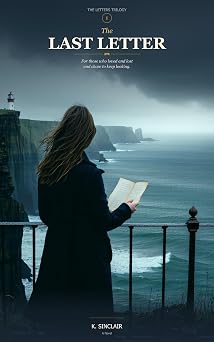
The Last Letter
Sinclair’s novel uses the conceit of a final letter—one last message from someone who may or may not survive—to create unbearable narrative tension. The epistolary framework here becomes a countdown, each letter bringing us closer to a truth that might arrive too late. What distinguishes this work is how Sinclair uses the letter format to collapse time itself; the reader experiences the epistolary present and the catastrophic future simultaneously. It’s a technically sophisticated approach that generates genuine dread.
Verdict: A haunting exploration of how letters become testimony to lives irrevocably changed.
The Reading Order
- Psychological Thriller Box Set Three — Catriona McPherson
- Four Letters — Jake Houstoun
- What I Did — Alison Lyle
- The Last Letter — K. Sinclair
Discover Phillip Strang
While Strang’s crime fiction is built on procedural authenticity and character depth rather than experimental narrative form, his psychological insight rivals any epistolary thriller—his detectives investigate the same crimes these letter-based narratives explore, but from the outside. For readers who love the psychological complexity of epistolary thrillers, Strang’s series offer the procedural counterpoint: the official investigation into the messy, contradictory truths that letters only hint at.
As an Amazon Associate, Phillip Strang earns from qualifying purchases. This page contains affiliate links — buying through them costs you nothing extra.