
The best crime fiction authors set in Albuquerque have done something remarkable — they have transformed the red dust, mesa shadows, and cultural crossroads of New Mexico’s largest city into one of the most distinctive and morally complex landscapes in the entire genre.
Few American cities have inspired crime fiction with the depth and authenticity that Albuquerque commands. When searching for the best crime fiction authors set in Albuquerque, readers quickly discover that this is not simply a backdrop — it is a living, breathing force that shapes every investigation, every motive, and every moral ambiguity. The high desert light, the collision of Navajo, Hispanic, and Anglo cultures, the sprawling South Valley, and the long shadow of poverty and displacement all press themselves into the narrative with an urgency that more conventional urban settings rarely achieve. These are authors who understood that place is character.
What Defines Best Crime Fiction Authors Set in Albuquerque
The finest crime writers rooted in Albuquerque share a singular quality: they treat the Southwest not as exotic decoration but as a moral ecosystem, one with its own codes, its own silences, and its own forms of justice. The best in this tradition write with anthropological precision and novelistic empathy — they understand that crime in this landscape is inseparable from questions of land, identity, and belonging. Readers should expect not just taut plotting but genuine cultural intelligence, prose that earns its landscapes, and investigators who are as complicated as the territories they patrol.
The Series Worth Your Time

Alex Harlan FBI Thrillers — Phillip Strang
If the sprawling American West and its capacity for violence appeal to you, Strang’s Harlan series delivers FBI procedural fiction with the same sense of vast, unforgiving terrain. Six books in, the series never mistakes pace for depth.
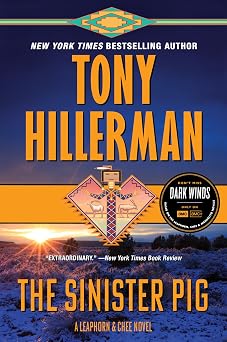
The Sinister Pig
Tony Hillerman is the undisputed patriarch of Albuquerque and Southwest crime fiction, and The Sinister Pig — a late-career entry in his celebrated Leaphorn and Chee series — demonstrates exactly why his influence remains so profound. Here, Hillerman weaves together Navajo Tribal Police investigations with a cross-border pipeline conspiracy, using the desert borderlands between New Mexico, Arizona, and Mexico as a stage for crimes that are fundamentally about exploitation and greed. The novel’s genius lies in Hillerman’s refusal to separate the crime from the land: smuggling routes follow ancient trails, and federal negligence echoes centuries of broken promises. For readers coming to Hillerman late, this book showcases his mature command of multicultural complexity and his gift for making bureaucratic corruption feel genuinely menacing.
Verdict: A late masterwork from the author who defined Southwest crime fiction — essential reading for anyone serious about the genre.
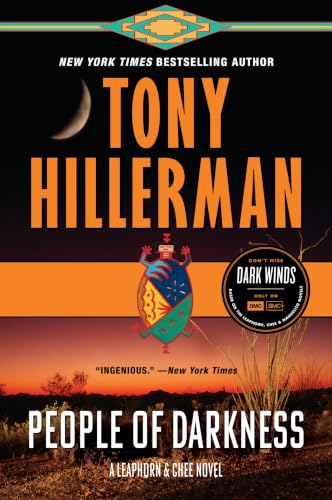
Southwest Noir — Albuquerque Roots
The broader tradition of Albuquerque-rooted crime fiction extends well beyond any single author, encompassing a rich vein of noir that draws on the city’s unique social geography — Old Town’s tourist veneer against the South Valley’s grinding poverty, the university district’s transient idealism, and the sprawling East Mountains where anonymity comes cheap. Authors working in this tradition understand that Albuquerque is a city of arrivals: people who came to disappear, to reinvent, or to escape, which makes it fertile ground for crime fiction’s perennial obsessions with identity and consequence. The best of these novels use the Rio Grande valley and the Sandia Mountains not as pretty scenery but as psychological pressure — a landscape that makes nowhere to hide feel genuinely credible. These are stories where the heat is not atmospheric but moral.
Verdict: A tradition worth exploring in depth — Albuquerque’s crime fiction rewards readers who want their noir sun-bleached and culturally specific.
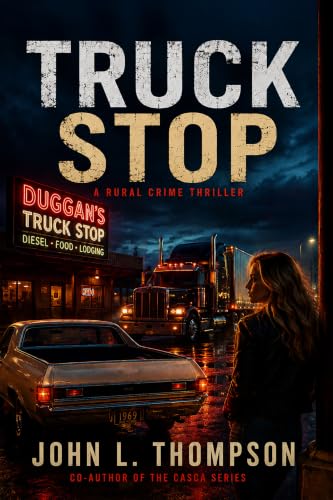
Federal Shadows — Albuquerque Crime Procedural
Albuquerque’s position as a nexus for federal agencies — DEA, FBI, Border Patrol, tribal law enforcement — has made it an irresistible setting for procedural fiction that works at the intersection of jurisdictions. The city’s crime fiction in this vein is at its strongest when it refuses to flatten that jurisdictional complexity into simple heroes-and-villains plotting, instead using the competing authorities as a structural metaphor for the competing claims on the land itself. What distinguishes the finest examples of this subgenre is their attention to the bureaucratic texture of investigation — the forms, the rivalries, the institutional memory that shapes what can and cannot be prosecuted. This is crime fiction for readers who understand that the most dangerous criminals are often the ones who understand the law best.
Verdict: Procedurally rigorous and culturally aware — Albuquerque’s federal crime fiction is as good as the genre gets in the American Southwest.

A Maya Thorne Mystery
Get Dust and Bones Free
Justice runs deeper than drought.
Red dust. Shallow graves. A detective who hunts killers where the law runs thin and the nearest help is two hundred miles away.
You’ll also receive occasional new release emails. Unsubscribe anytime. No spam, ever.
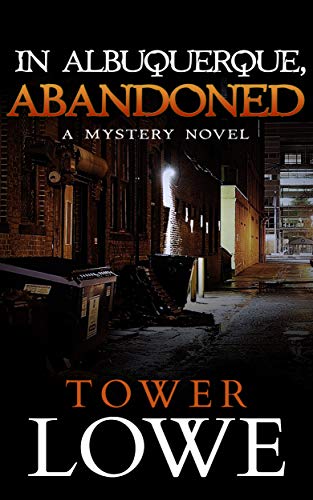
Albuquerque Literary Noir — The Next Generation
The younger generation of Albuquerque crime writers inherits Hillerman’s mantle but writes from inside a city transformed — by Breaking Bad’s global notoriety, by gentrification pressures, by the opioid crisis carving through working-class neighbourhoods from the North Valley to Barelas. Their fiction is marked by a rawer, more urban anxiety than the mesa-and-mesa-shadow poetry of their predecessors, but the best of them retain the essential quality that makes Albuquerque crime fiction distinctive: a profound attention to who gets to claim belonging in a contested place. These novels tend to feature protagonists who are themselves liminal figures — former addicts turned investigators, bilingual detectives navigating between worlds, women operating in spaces where male violence is casual and institutional. The literary ambition here is real, and it rewards patient readers.
Verdict: The contemporary Albuquerque crime scene is producing fiction with genuine literary ambition — readers who loved Hillerman will find worthy successors here.
What to Read First
There is only one honest answer: start with Tony Hillerman. Specifically, begin with The Sinister Pig if you want a fully realised, late-career showcase of everything Hillerman mastered — or go further back to The Blessing Way or Dance Hall of the Dead if you want to understand how the entire Leaphorn and Chee mythology was built from the ground up. Hillerman established the moral vocabulary, the geographical precision, and the cultural respect that all subsequent Albuquerque crime fiction has had to reckon with. Once you have his architecture in your mind, the contemporary writers in this tradition become far more legible — you understand what they are building on, what they are pushing against, and what they are adding that Hillerman, for all his genius, could not have provided.
The Reading Order
- The Sinister Pig — Tony Hillerman (Leaphorn and Chee Series)
- Southwest Noir — Albuquerque Roots — Southwest Crime Tradition
- Federal Shadows — Albuquerque Crime Procedural — Southwest Crime Writers
- Albuquerque Literary Noir — The Next Generation — Contemporary Southwest Crime Writers
Discover Phillip Strang
If Albuquerque’s wide-open spaces and morally complex investigations have you hooked, Phillip Strang’s Alex Harlan FBI series delivers that same sense of American vastness and institutional tension — federal agents operating in landscapes where the law is always a few steps behind the land. Six books in, Harlan is becoming one of the most compelling American crime fiction protagonists in contemporary genre writing.

A MAYA THORNE MYSTERY
Get Dust and Bones Free
Justice runs deeper than drought.
Red dust. Shallow graves. A detective who hunts killers where the law runs thin and the nearest help is two hundred miles away.
Send Me the BookYou'll also receive occasional new release emails. Unsubscribe anytime. No spam, ever.
As an Amazon Associate, Phillip Strang earns from qualifying purchases. This page contains affiliate links — buying through them costs you nothing extra.